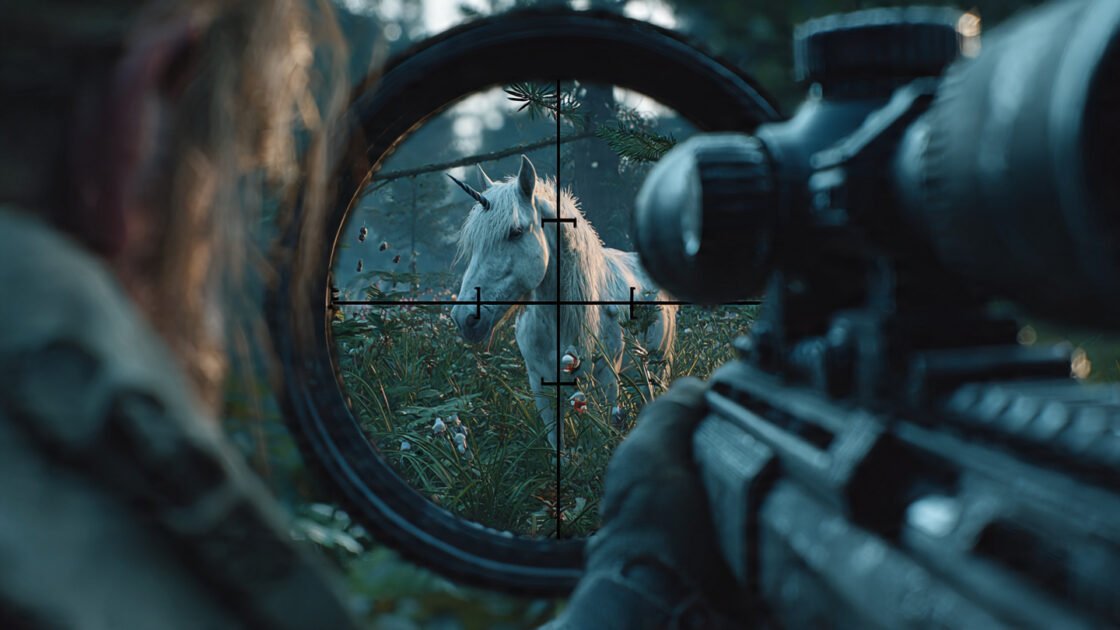

It is not just about what is in the picture; it is about how it is shot. To make your AI generations rival broadcast commercials, you must master camera control.
A virtual camera in a diffusion model behaves exactly like a physical camera. By defining your lens, angle, and movement, you dictate the psychological impact of the shot. This guide covers how to place your virtual camera to manipulate viewer emotion.
What is Camera Control in AI?
Camera control in AI generation is the practice of using specific prompt modifiers to define the angle, focal length, and movement of the virtual view. Instead of letting the AI choose a default “medium shot,” creators use keywords like “low angle,” “macro lens,” or “dolly zoom” to establish scale, intimacy, power dynamics, and context within the video or image.
4 Shot Types That Control Emotion
Here are the four essential camera angles you must master to direct effective AI commercials.
1. Wide Angle: Establishing Context
A wide-angle shot does more than show the scenery; it establishes the relationship between the subject and their world.
- The Psychological Impact: It creates a sense of scale and isolation. It can make a character look small in a vast world or show the grandeur of a landscape.
- Best For: Real estate, travel destinations, epic fantasy worlds, and establishing shots.
- Prompt Strategy:
16mm lens,wide angle,panoramic view,establishing shot,expansive,hyper-wide.
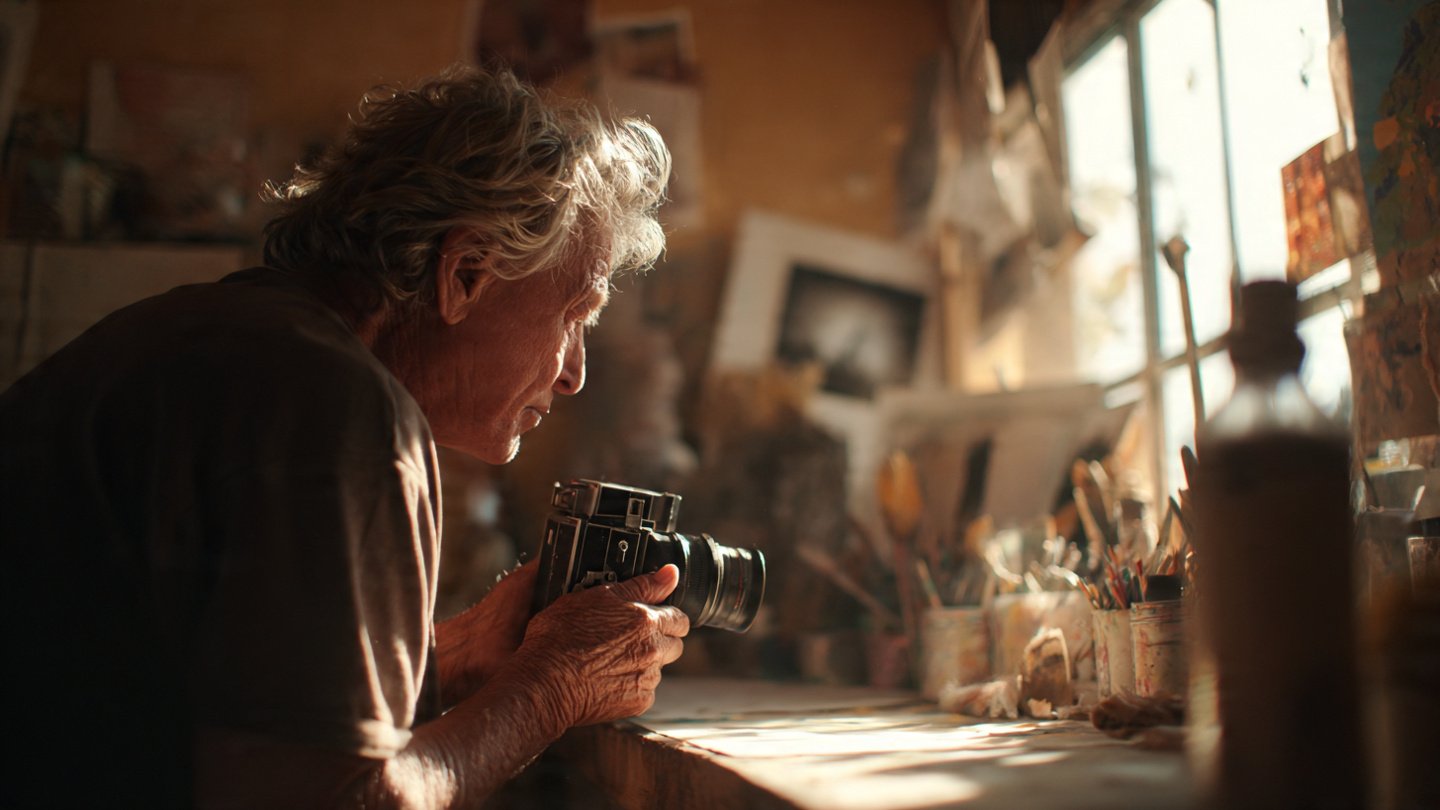
2. Macro Shots: Intimacy and Detail
Macro photography brings the viewer uncomfortably close, revealing details the naked eye usually misses.
- The Psychological Impact: It creates intense intimacy or sensory focus. It forces the viewer to pay attention to texture, quality, and craftsmanship.
- Best For: Food commercials (condensation on a soda can), jewelry sparkle, intricate technology circuits, and cosmetics.
- Prompt Strategy:
Macro lens,extreme close-up,100mm macro,f/2.8,shallow depth of field,detailed texture,bokeh.
3. Eye-Level: The Neutral Observer
This is the most human way to view a scene. It mimics how we see the world in everyday life.
- The Psychological Impact: It creates a sense of equality, connection, and objectivity. It avoids manipulating the viewer to feel superior or inferior to the subject.
- Best For: Interviews, conversational dialogue, relatable lifestyle content, and documentary-style footage.
- Prompt Strategy:
Eye-level shot,neutral angle,medium shot,50mm lens,straight on,waist-up shot.
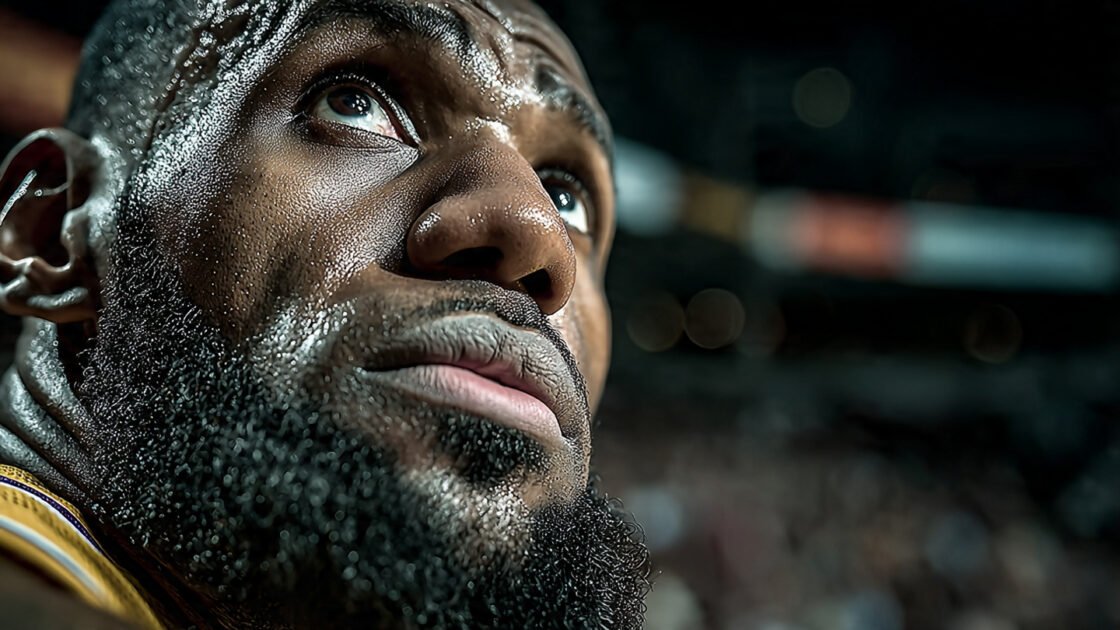
4. Low Angle: Power and Heroism
When you physically lower the camera and tilt it up, you change the power dynamic instantly.
- The Psychological Impact: It makes the subject look larger than life, powerful, dominant, and heroic.
- Best For: Athletic shoe commercials (looking up at the athlete), superhero landings, automotive “hero shots,” and authoritative corporate leaders.
- Prompt Strategy:
Worm’s-eye view,low angle,looking up at subject,hero shot,imposing,ground level.
Guide: AI Camera Angles & Lenses
This table matches specific lenses to the emotional outcome you want to achieve, creating a quick reference for your prompting workflow.
| Shot Type | Focal Length (Lens) | Psychological Effect | Key Prompt Modifiers |
| Wide Angle | 16mm – 24mm | Context, Scale, Isolation |
Panoramic, Distortion, Vast, Establishing
|
| Eye-Level | 35mm – 50mm | Trust, Reality, Connection |
Neutral, Human-eye view, Documentary
|
| Portrait | 85mm | Flattery, Focus on Subject |
Bokeh, Separation, Compression
|
| Macro | 100mm+ | Intimacy, Sensory Detail |
Texture, Liquid, Details, Micro
|
| Low Angle | 24mm (tilted up) | Power, Dominance, Heroism |
Worm's-eye, Heroic, Imposing
|