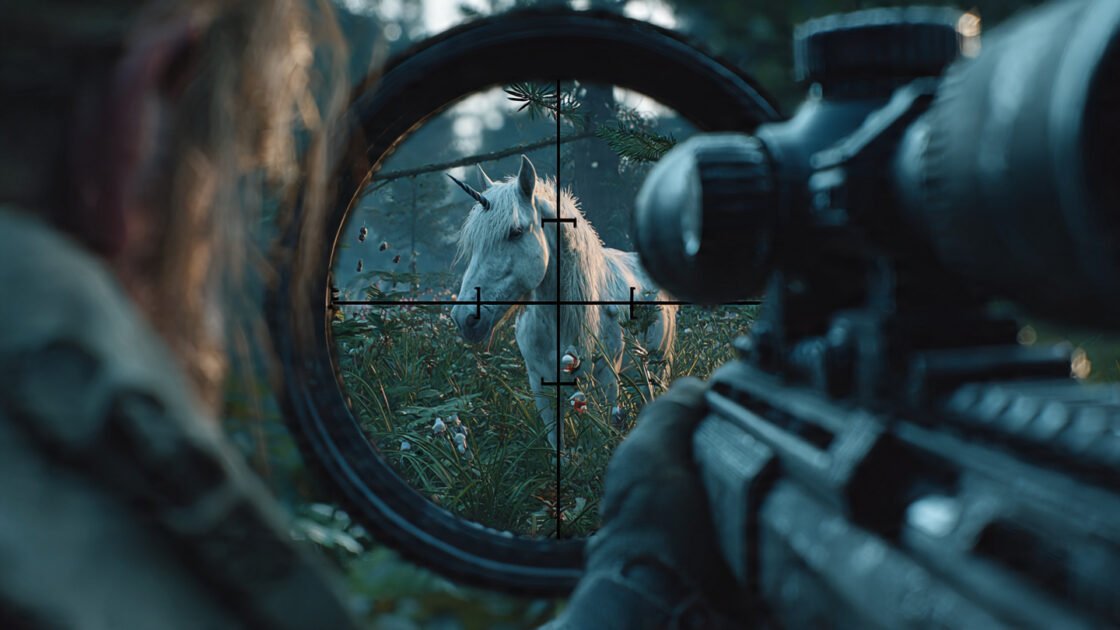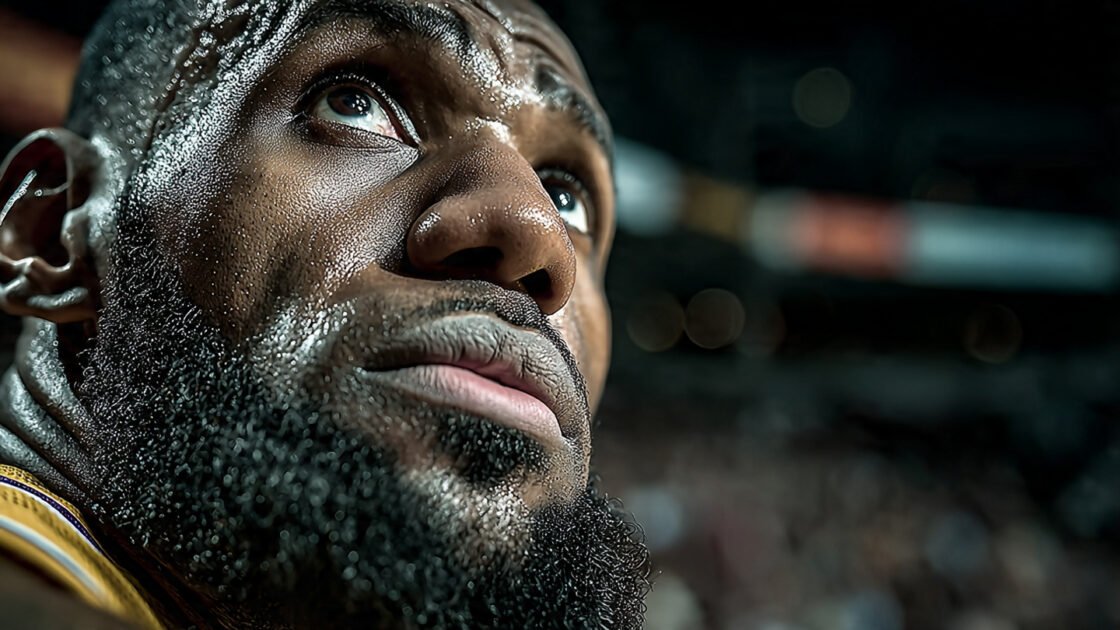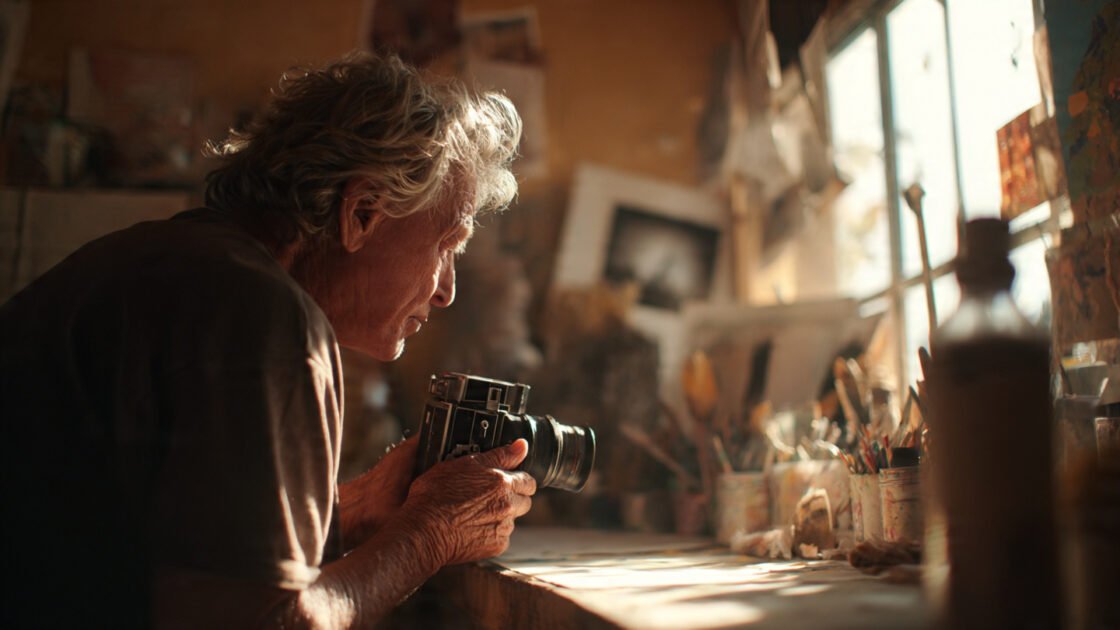

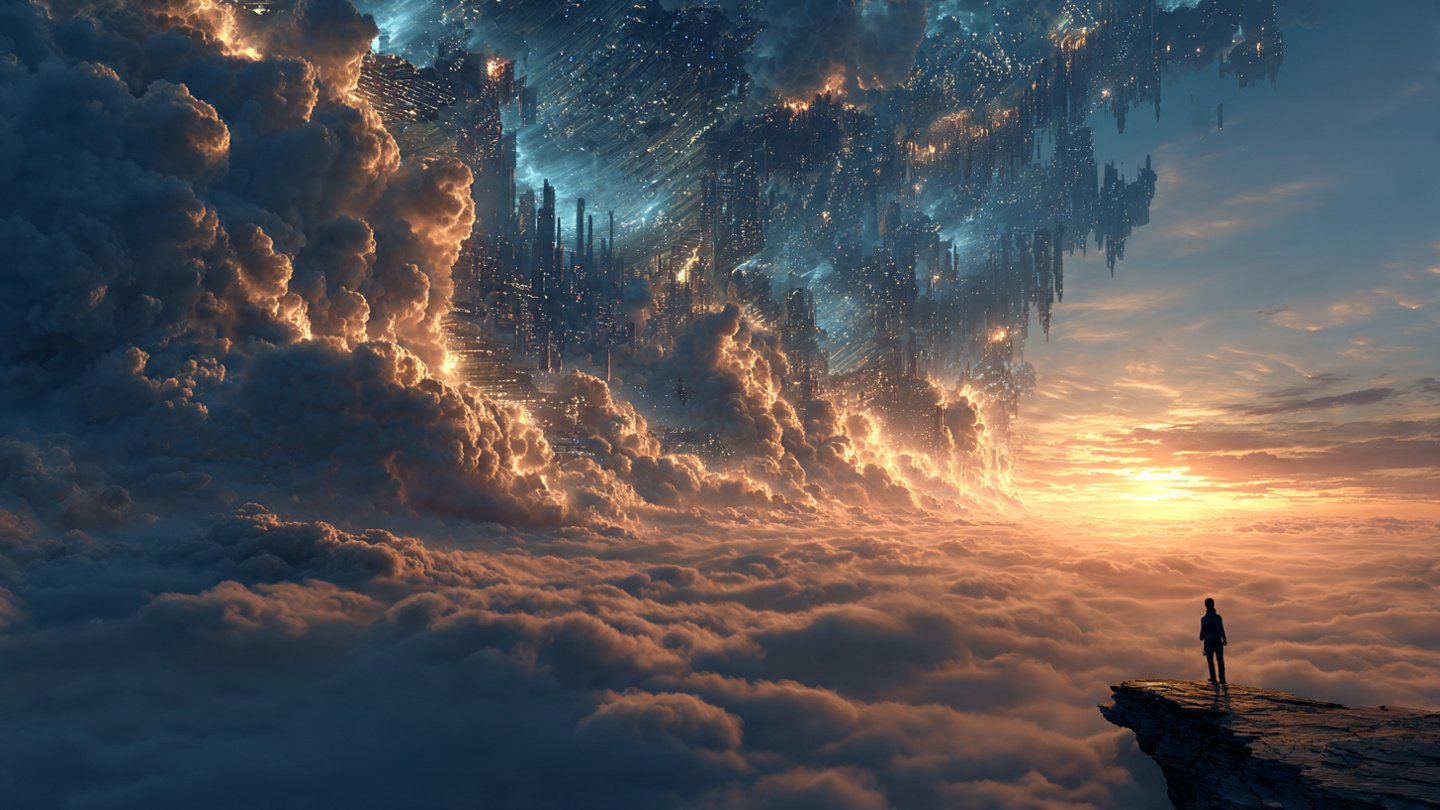
Brands don’t want “cool” images; they want specific, high-resolution product and lifestyle photography that sells. It’s time to stop using basic adjectives and start speaking the language of a photographer. If you want to rank as a pro in the competitive world of prompt engineering, you need to understand the technical definitions that AI models like Midjourney, VEO3, Higgsfield, OpenArt, Luma or Nano Banana Pro (Gemini) are trained on.
This guide will transition you from a casual prompter to a commercial director, mastering the technical vocabulary that forces AI to output photorealism instead of digital art.
Why “Prompt Engineering” is Your New Camera
In commercial photography, the camera is just a tool; the vision is what matters. The same applies to generative AI. Prompt engineering is not just about stringing words together; it is the technical translation of a visual concept into a syntax the machine understands.
To achieve commercial-grade results, you must replace subjective terms with objective technical constraints.
- Bad Prompt: “A cool picture of a sneaker on a street.”
- Commercial Prompt: “Product shot of a leather high-top sneaker, street level angle, shot on 35mm lens, f/2.8, morning golden hour lighting, urban pavement texture, sharp focus, commercial photography.”
Mastering Photography Keywords for AI
AI models are trained on billions of image-text pairs, many of which are scraped from photography sites rich with EXIF data (metadata regarding camera settings). Using these specific keywords triggers the model’s “memory” of high-quality, professional imagery.
1. Focal Length: Controlling Perspective
The lens determines how the subject relates to the background.
- 85mm Lens: The gold standard for portraits. It flattens facial features slightly (very flattering) and compresses the background.
- Prompt Use: “Headshot of a CEO, 85mm lens, confident expression…”
- 35mm or 24mm Lens: Ideal for environmental lifestyle shots where you want to see the subject en their surroundings.
- Prompt Use: “Full body shot of a hiker on a mountain, 24mm wide angle lens…”
- 100mm Macro: Essential for small product details like jewelry or texture close-ups.
2. Aperture: Controlling Depth of Field (Bokeh)
Aperture controls how much of the image is in focus.
- f/1.8 or f/1.4: Creates a shallow depth of field. The subject is sharp, but the background is creamy and blurred (Bokeh). This separates the product from the noise.
- Prompt Use: “Perfume bottle on a table, f/1.8, heavy bokeh background…”
- f/8 or f/11: Keeps everything in focus. Use this for landscape shots or complex product lays where every detail must be visible.
3. ISO: Controlling Image Quality
In digital photography, high ISO adds “noise” or grain.
- ISO 100: The cleanest, highest quality setting. It tells the AI you want a noiseless, crisp, high-resolution studio image.
- Prompt Use: “Studio shot of a watch, ISO 100, 8k resolution, ultra-detailed…”
Lighting Setups: The Secret to Mood
Lighting is the primary differentiator between an amateur snapshot and a commercial asset. Don’t just say “good lighting.” Specify the setup.
| Lighting Keyword | Definition & Use Case | Prompt Example |
| Studio Lighting | Controlled, even, and bright. Ideal for e-commerce white-background shots. | “Running shoe, clean white background, Studio Lighting, sharp details.” |
| Softbox | A modifier that diffuses light, creating soft shadows and flattering skin tones. | “Portrait of a skincare model, Softbox lighting, glowing skin texture.” |
| Rembrandt Lighting | A classic technique characterized by a triangle of light on the shadowed side of the face. Adds drama and prestige. | “Cinematic portrait of a chef, Rembrandt lighting, dark mood, high contrast.” |
| Rim Lighting | Light from behind the subject that highlights the edges. Separates dark subjects from dark backgrounds. | “Black gaming mouse, dark background, Rim lighting, blue neon accents.” |
Structuring for Photorealism
To differentiate a photo from an illustration, you need a rigid prompt structure. AI models often default to “artistic” styles if not strictly guided.
The Commercial Prompt Formula
Structure your prompts in this order to prioritize the subject and the technical execution:
[Subject + Action/Context] + [Camera Angle & Framing] + [Lighting & Environment] + [Technical Specs (Camera, Lens, Settings)] + [Style/Aesthetic] –parameters
Example: The Coffee Brand Campaign
- Subject: A steaming ceramic mug of black coffee.
- Framing: Eye-level close-up.
- Lighting: Morning sunlight streaming through a window (Gobolight effect).
- Technical: Shot on Canon R5, 50mm lens, f/2.8, ISO 100.
- Style: Photorealistic, commercial food photography, 8k, hyper-detailed.
Final Prompt:
“Close-up of a steaming ceramic mug of black coffee on a rustic wooden table, eye-level angle. Natural morning sunlight streaming through a window creating soft shadows. Shot on Canon R5, 50mm lens, f/2.8, ISO 100. Photorealistic, commercial food photography, 8k, hyper-detailed –ar 4:5”
Conclusion
Beheers prompt engineering for commercial purposes isn’t about being creative with adjectives; it’s about being precise with technicalities. By speaking the language of lenses, apertures, and lighting setups, you stop asking the AI to imagine a photo and start commanding it to shoot one.